
Stephen King’s Nightmares are Personal and Real
A Shakespeare scholar’s deep dive into Stephen King’s 1970s work illuminates the elemental nature of fear.
A Shakespeare scholar’s deep dive into Stephen King’s 1970s work illuminates the elemental nature of fear.

The Shining endures because it conveys all horror, real and imagined: Stephen King’s horror of the collapse of Man, and Stanley Kubrick’s collapse of History.

One Way Home doesn’t revolutionize childhood horror; it’s part of the evolution of a subgenre that continues to find new ways to explore familiar fears.

PopMatters Best Books of 2024 include a broad range of nonfiction, many books on music, short fiction, a novel that turns a Mark Twain classic inside out, and much more.

The protagonists in these short stories by Asako Serizawa, Nanjil Nadan, Goli Taraghi, Stephen King, and John Cheever are unsettled, vulnerable, and unmoored during their journeys.

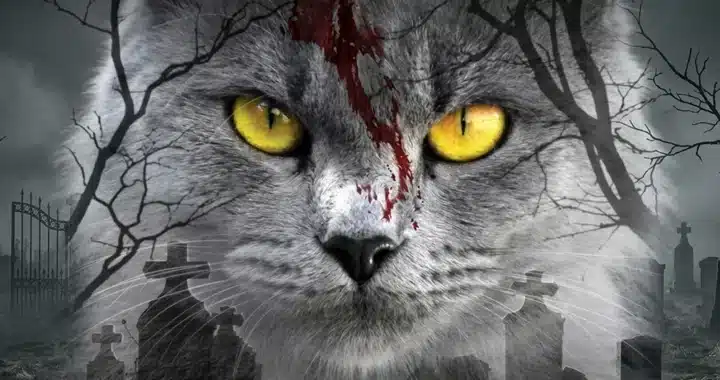
Tense, unflinching, and completely self-aware, Pet Sematary veers away from its source material in satisfying ways, yet remains true to Stephen King's uncompromising vision.

Had Stephen King and Bryan Smith “met” on that same street 20 years after The Accident, the physical consequences would have probably been complicated by media drones, TMZ helicopters, Instagram and Twitter posts, and Facebook livestream coverage.

Horror might not be a replacement for the absolutism of religion, but for Stephen King its proved to be both a lucrative and at times life-long examination of what exists behind locked doors.

"Creepy clowns" have become the rule, not the exception. How and when did clowns change from entertainers to tormentors?

Stephen King and George RR Martin prove to be a dynamic duo on King’s End of Watch tour.

